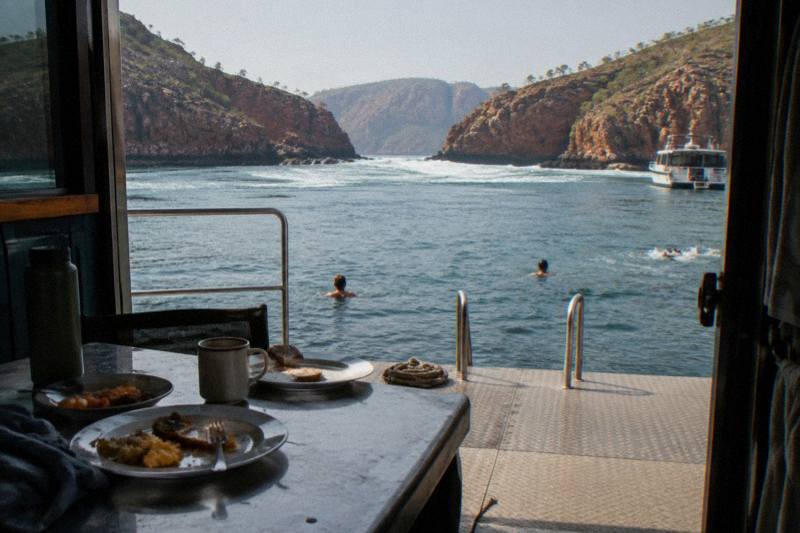
What To Bring On A Horizontal Falls Tour
Packing for the Horizontal Falls is mostly about heat, spray and sun. Here is what the listings, the operators and the official Kimberley climate data say you actually need on the day.
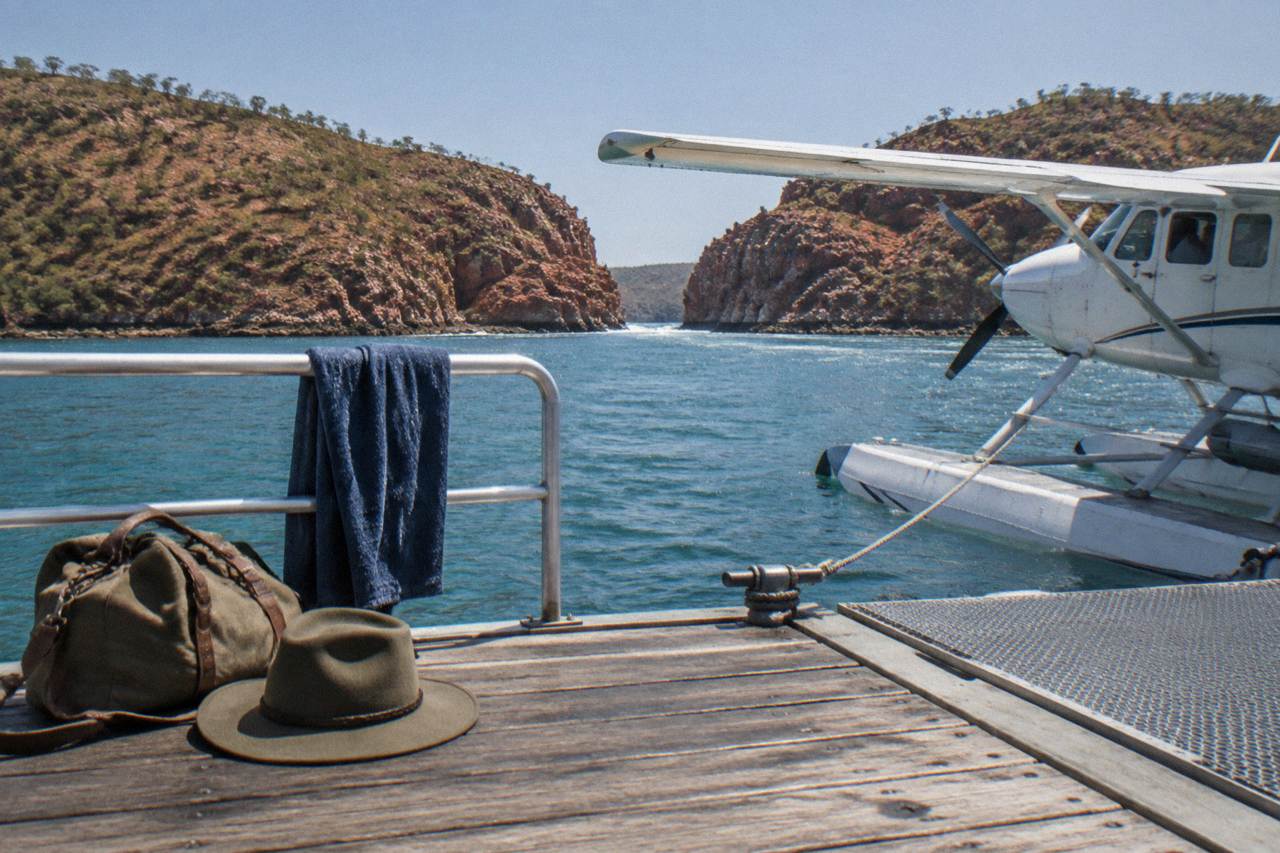
Short answer
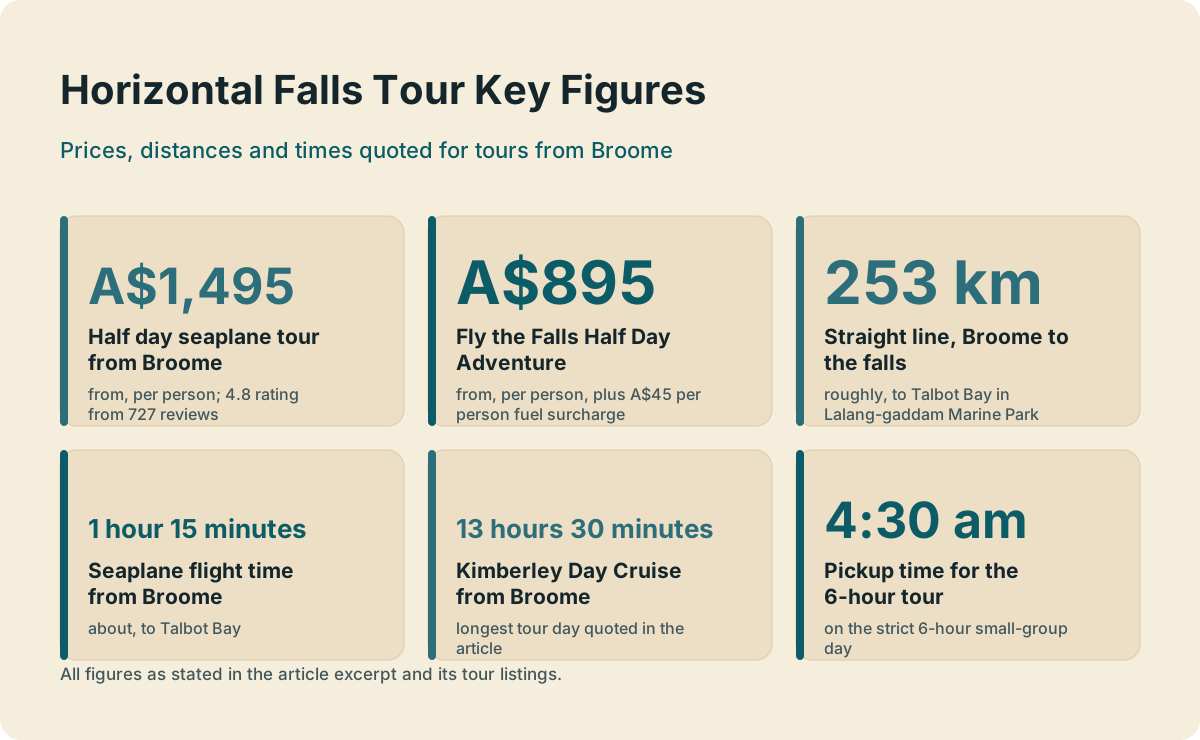
Bring swimwear under your clothes, a hat, sunglasses, high-SPF sunscreen, flat enclosed shoes, a light long-sleeve layer, any motion-sickness remedy you normally use, and a small bag for your camera. Dry-season days run hot, with Broome mean maximums of 29.0 to 34.4 C, and the half day seaplane tour from Broome is from A$1,495 per person, 6 hours door to door.
Packing for Garaan-ngaddim, the Horizontal Falls, is a question of managing three things at once: heat, sun and salt spray. The falls sit in Talbot Bay inside Lalang-gaddam Marine Park, roughly 253 km straight line from Broome, and every tour that gets you there spends hours on open water or under an aircraft window. What you carry decides whether those hours are comfortable or punishing. While you sort your gear, it also pays to understand the safety record and operator practices behind Horizontal Falls tours, since the same fast water you're dressing for is what those boat crews manage every day.
This guide works from the listings themselves and from official sources. The Bureau of Meteorology's Broome Airport averages put dry-season mean maximums between 29.0 and 34.4 C, and the WA Department of Transport's boating guide for the falls describes exactly the kind of water you will be near. The half day seaplane tour from Broome, from A$1,495 per person with a 4.8 rating from 727 reviews, is the most-booked product of this type, and its listing shapes much of what follows. If you want the full field of options first, the decision material on Horizontal Falls Tours compares all 14 verified listings side by side.
What Should You Pack For A Horizontal Falls Tour?
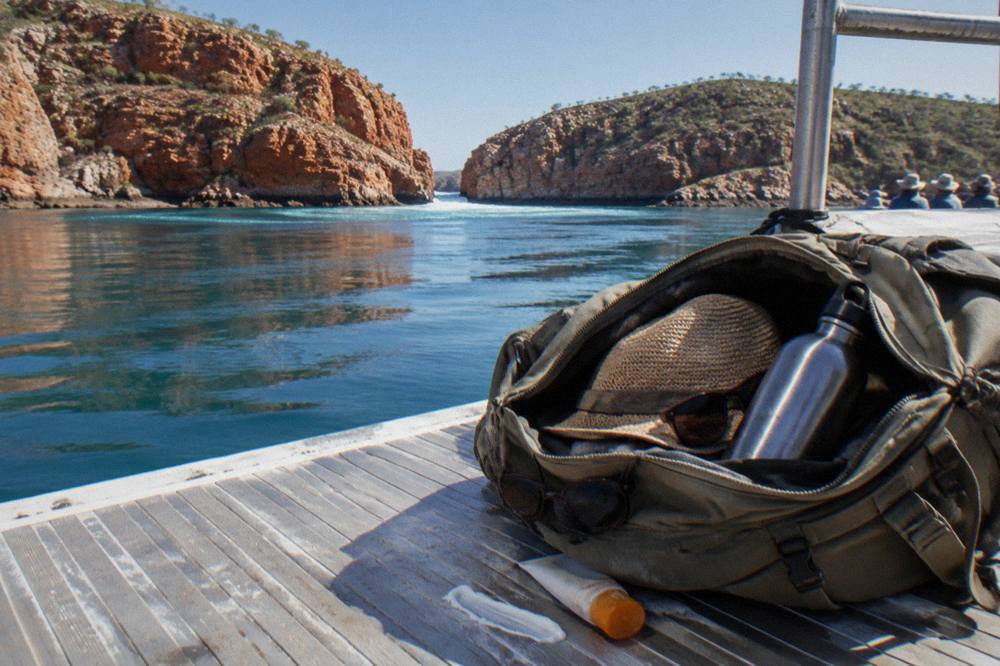
For a Horizontal Falls tour, pack light and dress for a full day of sun and water: wear your swimwear under your clothes all day long, choose comfortable items you will not mind getting splashed or soaked, and keep whatever you bring minimal so you can move freely and enjoy every moment on the water. The core kit is a hat that will not blow off, sunglasses on a strap, high-SPF sunscreen, enclosed flat shoes, a dry-bag or zip pocket for your phone, motion-sickness medication if you are prone to it, and any personal medication in its original packaging. Almost every tour from Broome runs 6 hours or more from pickup to drop-off, so a small day bag with a change of shirt earns its space many times over a long tropical morning on the water.
The reason swimwear tops the list is specific. Several listings, including the seaplane-and-boat tours, include time at the floating pontoon base at Talbot Bay where guests can swim from the viewing platform in calm water. There is no road access to the pontoon, and no shop, so what you bring is what you have. A swimsuit worn under quick-dry clothing means you take the swim without needing a change room, and quick-dry fabric matters because you will be damp from boat spray within minutes of leaving the pontoon.
The rest of the list is defensive. Dry-season sun in the Kimberley is fierce even at 9 am, glare off the water doubles it, and the boat legs expose you to wind that dries you out faster than you notice. Nothing exotic is required. Every item on the core list is available in Broome the day before if you forget something, but prices in a remote tourist town run higher than at home, so arrive prepared.
| Item | Why it matters on this tour | Notes |
|---|---|---|
| Swimwear | Swim from the pontoon viewing platform, worn under clothes | No change rooms on the water |
| Hat with a strap | Sun and boat wind at speed | Caps blow away without a clip |
| Sunglasses | Polarised cut water glare | A floating strap is useful |
| High-SPF sunscreen | Six-plus hours of tropical sun | Reapply after the swim |
| Enclosed flat shoes | Pontoon, boat deck and beach landings | Thongs are poor on wet decks |
| Light long-sleeve shirt | Sun cover for the flight legs | Quick-dry fabric is best |
| Motion-sickness remedy | Power boat ride and small aircraft | Take it before boarding |
| Phone or camera, dry bag | Spray on the boat legs | Zip-lock bags work in a pinch |
| Medication, original packaging | Long day, remote location | No pharmacy at Talbot Bay |
| Cash or card for extras | Fuel surcharges and incidentals are billed separately | See the paperwork section below |
What Clothes Work For The Broome Dry Season?
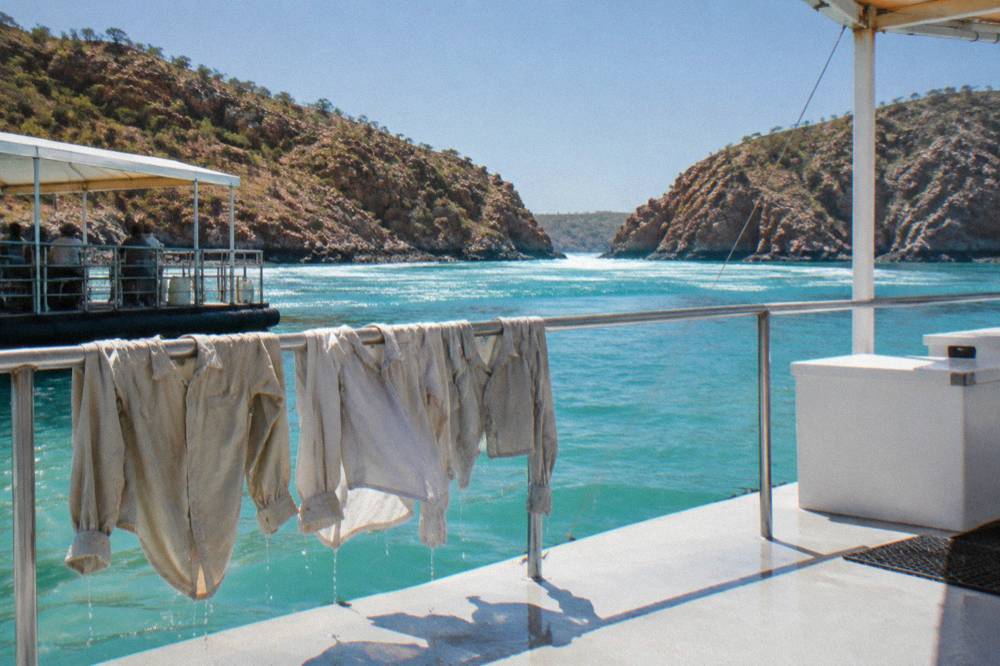
For the Broome dry season, dress for hot tropical days that begin with a cool morning start. Quick-dry shorts or trousers and a breathable shirt form your base, with a light layer you can shed as the sun climbs and the day heats up. The Bureau of Meteorology's long-term averages for Broome Airport show mean maximums of 34.4 C in April falling to 29.0 C in July, with overnight minimums from 22.7 C down to 13.7 C in July. Early hotel pickups, from around 4:30 am on the longest cruise days, mean you will start the day in the coolest air of the year's coolest months, often on an open jetty or an uncovered boat deck before first light.
That July minimum is the number that surprises people. A 13.7 C dawn feels cold on an open boat doing 20 knots, and the seaplane flight to Talbot Bay takes about 1 hour 15 minutes from Broome with plenty of cabin airflow. A fleece or softshell you can stuff in the day bag solves both problems, then comes off by mid-morning when the sun is high. Choose one that packs to nothing rather than a bulky jacket.
Colour and fabric matter more than style. Light-coloured, loose, long-sleeved cotton or synthetic shirts protect better than sunscreen alone on a six-hour day, and they dry fast after the swim stop. Dark denim is the worst choice on the water: it stays wet, holds heat and chafes. If your tour includes a Cygnet Bay Pearl Farm landing, such as the flyover itineraries that stop there for lunch, the same clothing works, just add modest cover for the farm visit.
| Month | Broome mean max | Broome mean min | Packing adjustment |
|---|---|---|---|
| March | 34.0 C | 25.5 C | Full sun kit, no warm layer needed |
| April | 34.4 C | 22.7 C | Peak heat, extra water |
| May | 31.7 C | 18.3 C | Add a light evening layer |
| June | 29.3 C | 15.3 C | Warm layer for pre-dawn pickups |
| July | 29.0 C | 13.7 C | Warm layer essential on open boats |
| August | 30.5 C | 14.9 C | Warm layer for mornings |
| September | 32.0 C | 18.6 C | Standard dry-season kit |
| October | 33.0 C | 22.6 C | Standard kit, rising humidity |
Those figures come straight from the Bureau of Meteorology's Broome Airport climate averages, which is the same dataset the region's operators plan around. The 2026 season windows matter too: the half day seaplane tour from Broome runs mornings from 17 March to 31 October, while the Derby departure runs 5 May to 30 September, so an early- or late-season booking lands you in the hotter shoulder months. Timing questions are covered in detail in the best time to visit guide.
Because packing and booking feed each other, here are the three listings this article's readers compare most often: the boat-ride seaplane tours from Broome and Derby, and the lower-cost fixed-wing flyover.
How Do You Handle Sun, Spray And Motion Sickness?
You treat sun protection as a layered system rather than a single item, pairing sunscreen with a hat, sunglasses, and protective clothing, and you handle spray by keeping gear covered or stowed. Motion sickness is managed before you board, whether through medication, remedies, or smart seating choices, because comfort at sea is decided in advance rather than on the day itself. High-SPF sunscreen applied at pickup and reapplied after the swim, a wide-brimmed hat with a chin strap, polarised sunglasses, and a long-sleeve shirt together do more than any one of them alone. For motion, take your usual remedy, whether tablets or acupressure bands, before the flight and again before the boat, because the power boat ride through the wide gap is the most physically active leg of the whole tour.
The sun numbers justify the effort. Six hours in tropical latitude with reflected ultraviolet off water and a white aircraft interior can deliver a burn on a cloudy day. Spray is the other constant: the power boat runs at speed across Talbot Bay, and guests on the forward seats get wet regardless of weather. A dry bag or even a zip-lock bag for your phone and a spare shirt removes all the anxiety from that. Prescription glasses wearers should add a strap.
Motion sickness deserves respect rather than bravado. The seaplane is a small aircraft with noticeable motion in turbulence, and the power boat ride, which the listing describes as a cruise through the Horizontal Falls, involves fast turns and acceleration. The operator runs only the wide gap, respecting local Indigenous beliefs per its plan-your-visit page, and mid-tide dates are bookable and calmer while spring tides give the strongest flow, a choice you can read about in the tides and timing guide. Remedies work best taken early; once you are queasy on a boat, it is too late.
One guest review on the Broome half day listing captures the day's shape: "An amazing experience with nature. Beautiful place to visit. It's more than we expected and beyond our expectations." Days like that are easier to enjoy when the sunscreen is already on and the motion tablet was taken an hour before the boat.
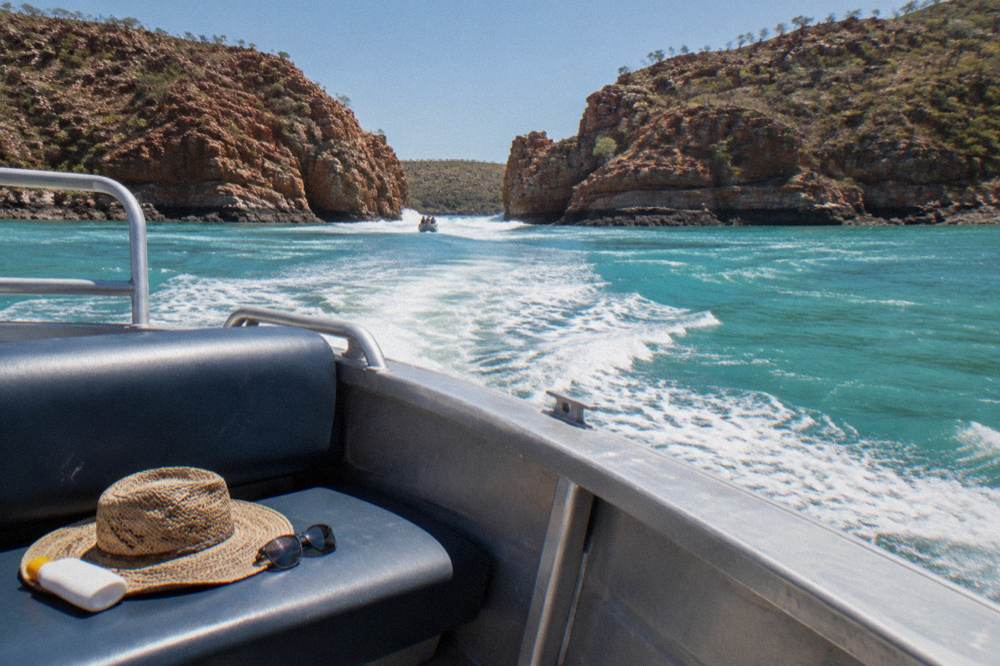
If a strict 6-hour small-group day feels like too much structure, the flyover alternatives trade the boat ride for a calmer air tour. The Fly the Falls Half Day Adventure from Fly Broome, 4.9 from 285 reviews and from A$895 per person plus a listed A$45 per person fuel surcharge, still includes a Cygnet Bay landing with lunch, so the same swim-and-sun packing applies at the stop.
What Camera And Phone Gear Should You Bring?
Bring a single camera or phone you can operate with one hand, kept on a strap so it stays secure, plus spare batteries or a power bank to keep it running through the day, and seal everything in a dry bag for every leg on the water. The photographic reality of the falls is glare, spray and speed: you will shoot through an aircraft window on the way in, from a moving boat at the gaps, and into reflected light all day. A phone in a floating, waterproof case handles most of it, and a small shoulder-strap camera beats a big rig you cannot steady when the boat turns. The boat ride is short and unrepeatable, so gear you can deploy instantly matters more than gear you have to unpack.
A few practical notes make the difference. In the aircraft, hold the lens close to the window glass to cut reflections, and shoot early in the flight before the window fogs or spatters. On the power boat, both hands are often needed for rails and seats, so anything not strapped to you is a risk; this is where the strap, tether or zip pocket earns its place. At the pontoon swim, leave electronics secured in the day bag rather than in a pocket.
Power is the quiet failure mode. A 6-hour tour with a 4:30 am pickup, full-day tours of 10 hours, and the 13 hours 30 minutes Kimberley Day Cruise from Broome all outrun most phone batteries under constant camera use and weak signal searching. A charged power bank and cable in the day bag costs nothing to carry. The wider question of which format, seaplane, flight or cruise, gives you the best view of the falls is a booking decision rather than a packing one, and it is compared in the seaplane versus boat versus cruise guide.
| Gear | Use it for | Watch out for |
|---|---|---|
| Phone in waterproof case | Everything, one-handed | Battery drain, no signal all day |
| Compact camera, wrist strap | Boat legs, quick shots | Spray on the front element |
| DSLR or mirrorless, one lens | The gaps from the pontoon | Weight, hard to steady at speed |
| Power bank and cable | Full-day tours | Charge it the night before |
| Microfibre cloth | Window and lens spray | Keep it dry in a zip bag |
| Spare memory card | Video of the boat ride | Cards fill fast at 4K |
What Food, Drink And Medication Do You Need?
Most tours feed you, so you only need to pack water and any snacks that suit your personal needs rather than full provisions. For medication, carry everything in its original packaging and bring a written list of your doses to keep with you throughout the trip. The listings state their inclusions clearly: the Broome half day seaplane tour includes meals as listed, the Dampier Peninsula full day includes breakfast and lunch, and guest reviews consistently praise the food, with one Dampier Peninsula reviewer writing, "Breakfast and lunch YUM!! Bus, plane, boat, boat, plane." Check your specific listing's inclusions rather than assuming, because a 6 to 13 hour day without your own supplies is a long time to run on an empty stomach.
Water is the exception to "they provide it". Heat, sun and a small aircraft cabin dehydrate you faster than you feel, and tours run from 6 hours to more than 13. A one-litre bottle in your day bag, refilled whenever a tap appears, is the single cheapest comfort upgrade available. Avoid heavy caffeine before the boat leg if you are motion-sensitive.
Medication rules are strict and simple. Carry prescription medicines in original labelled packaging, both for the tour staff who may need to assist you and for any delays; bring more than a single dose of anything critical. Hayfever tablets, basic painkillers and blister plasters round out a sensible kit. There is no pharmacy, shop or road access at the Talbot Bay pontoon base, so the day bag is your only supply line.
What About Bags, Fuel Surcharges And Paperwork?
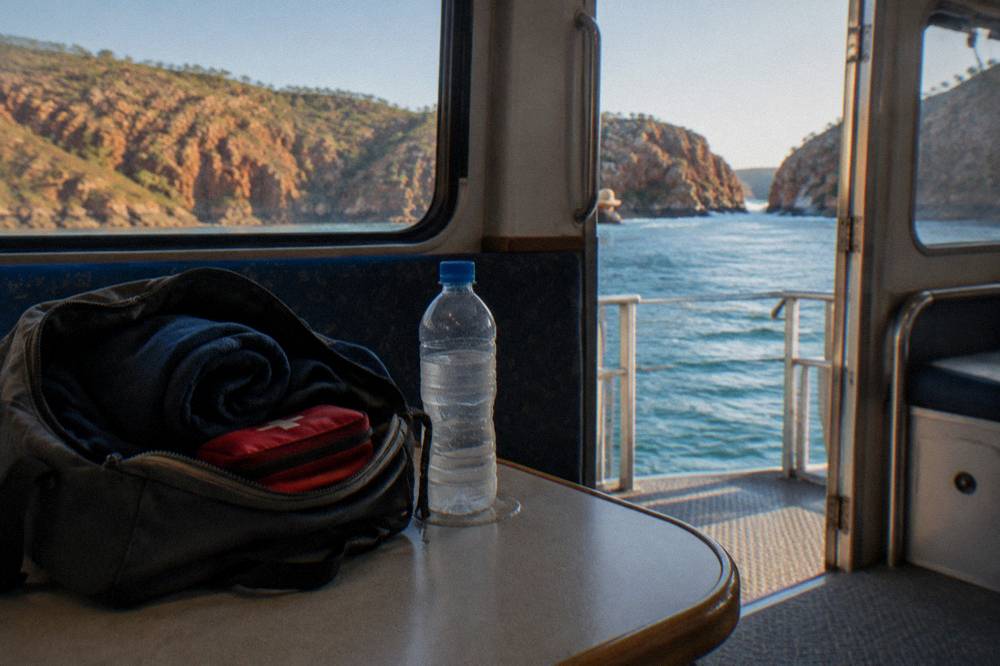
Pack a small soft day bag, not a hard suitcase, and remember that any listed fuel surcharges are budgeted separately from your other costs. For paperwork, bring your ID along with your booking confirmation, either printed on paper or saved offline so you can access it without a connection. Operators on small aircraft and boats ask for compact, soft bags; hard cases and rigid frames are a nuisance in a seaplane cabin and on a boat deck. A drawstring or small backpack you can squash under a seat is the right shape, and no roster listing publishes a checked-bag allowance, so travel light and check your listing for any specific limit rather than guessing at one the operator never published.
The money note is worth separating out. Fly Broome lists a fuel surcharge of A$45 per person and Air Kimberley lists A$33 per person on its dry-season tours as exclusions, which means they are extra costs on top of the from-price, payable separately, not hidden inside it. Bring a card or the payment method the listing names for such add-ons. The seaplane-and-boat tours do not list a surcharge of this kind, but their cancellation terms are strict: the Broome half day listing states all sales are final, so read the booking page before paying rather than after.
Paperwork is small but decisive. Domestic photo ID, your booking reference accessible offline, private-health and travel-insurance details, and any medical letter for carried medication all belong in a phone wallet or printed. Coverage matters here: this is remote-water tourism in a marine park whose waters the Transport WA boating guide describes as having dangerous, unpredictable, turbulent flow, with tides up to 11 m. Licensed tour operators manage that risk professionally, but insurance is your own layer.
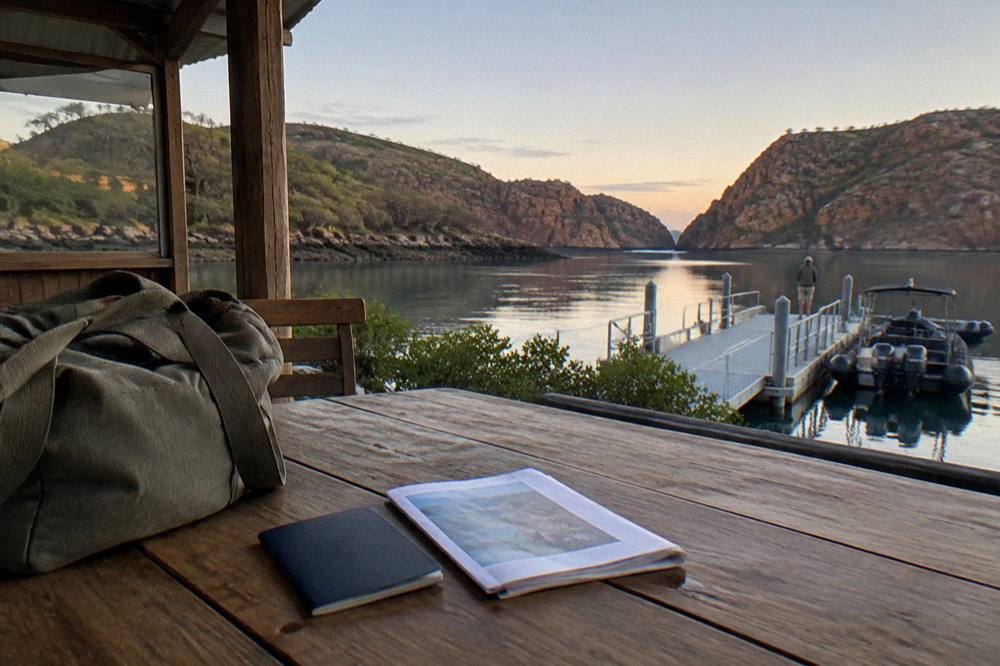
Cancellation rules differ by listing, so read the booking page of whichever tour you choose: the Derby seaplane half day, from A$1,390 per person with a 4.8 rating from 76 reviews, is non-refundable per its listing, while several flyover listings offer free cancellation windows. That difference alone justifies ten minutes with the fine print before you pay.
Does Packing Change On A Cruise Or Scenic Flight Tour?
Yes, packing changes in three main ways. Cruise days are longer and colder at both ends, so you dress and prepare differently than for a short excursion. Scenic flight and flyover tours swap water spray for cabin glare, which alters what you pack. And when a tour comes without pickup, self-catering and driving logistics enter the picture, adding their own demands to your bag. The Kimberley Day Cruise from Broome is 13 hours 30 minutes with hotel pickup from 4:30 am, which makes the warm layer, the power bank and extra snacks more important than on any half day. The cruise uses tender boats to the Horizontal Falls per its listing, so spray protection still applies even though the big vessel stays offshore.
The scenic-flight category, Fly Broome, Air Kimberley and Broome Aviation, is a flyover only: no boat ride through the gaps, though several itineraries include a Cygnet Bay tidal tour by boat at the pearl farm. Packing-wise that means less swim-and-spray gear and more cabin comfort: the sun shirt still matters, motion remedy still matters, and the camera window techniques from earlier matter most of all. The Cygnet Bay Explorer, 5.0 from 317 reviews and from A$1,220 per person plus the A$33 listed surcharge, runs 9 hours, so it borrows the cruise day's packing rules. One guest on that tour reported, "It was a long day and not cheap but it was worth it."
Tours departing Cygnet Bay, including the Kimberley Day Cruise from Cygnet Bay, offer no pickup, which moves the packing question upstream: you drive yourself about 200 to 220 km from Broome on the sealed Cape Leveque Road, so add a car kit, water for the drive and a full fuel tank. That route and its logistics are covered in the Cape Leveque combination guide.
| Tour type | Duration | Key packing differences |
|---|---|---|
| Seaplane and boat half day, from Broome | 6 hours | Swimwear essential, spray gear, warm layer for the flight |
| Seaplane and boat half day, from Derby | 6 hours | Same kit; add any needs for the drive to Derby |
| Dampier Peninsula full day | 10 hours | Bigger day bag, extra layer, sun reapplication |
| Fixed-wing flyover with Cygnet Bay landing | 6 hours | Less spray gear, cabin-glare camera kit |
| Kimberley Day Cruise from Broome | 13 hours 30 minutes | Power bank, warm layers for both ends, snacks |
| Kimberley Day Cruise from Cygnet Bay | 10 hours | No pickup: car kit, drive water, earlier start |
For readers weighing the long-day option, the cruise from Broome, 4.9 from 177 reviews and from A$1,275 per person, is the one where the packing list genuinely changes the experience; a review on its listing reads, "Great day out on the water, quality craft, very knowledgeable and respectful crew and skilled operators. Food was magnificent. Well worth the money."
What Is The One-Page Packing Checklist?
The one-page packing checklist is a single sheet that sorts everything you need into three piles: wear, carry, and documents. Lay everything out the night before you travel, group it into those piles, and check each pile against the table below before you go to bed. The night-before routine matters because most pickups are pre-dawn and because forgotten items in Broome cost real money and a rushed morning. Charge every device, fill the water bottle, pack the dry bag, and set out the clothing you will wear with your swimwear already underneath; a calm ten-minute check the evening before beats a 4 am panic search for a strap or a cable every single time.
The state of access is stable for now: DBCA confirmed on 15 April 2026 that licensed operators may keep traversing the wide gap until the end of the 2028 tourism season, with the narrow gap closed since 2022 and guests viewing it from a safe distance. Nothing about that changes what goes in your bag, but it is worth knowing the on-water experience you are packing for is confirmed for seasons to come, and post-2028 access will be reassessed with Dambimangari, the Traditional Owners, leading the transition. The DBCA announcement carries the detail.
| Pile | Items | Check the night before |
|---|---|---|
| Wear | Quick-dry clothes, swimwear underneath, enclosed shoes, hat | Shoes dry, hat strap works |
| Carry | Sunscreen, sunglasses, warm layer, dry bag, power bank, water, medication, motion remedy | Everything charged and filled |
| Documents | ID, booking confirmation offline, insurance details | Confirmation saved to phone |
| Leave at home | Hard luggage, drones unless permitted, bulky towels | Check listing rules first |
Whatever the final choice of tour, the same shortlist of listings covers most readers: the two seaplane-and-boat half days with the falls boat ride, and the dry-season flyover as the price contrast.
Common Questions About Packing For The Horizontal Falls
Do you need swimwear on a Horizontal Falls tour?
Yes on the seaplane-and-boat tours, which include a swim from the viewing platform at the Talbot Bay pontoon. Wear your swimsuit under your clothes, since there are no change facilities on the water. Flyover tours do not include the falls swim, though itineraries with a Cygnet Bay stop may involve water activity there.
Can you take a bag on the seaplane?
A small soft day bag is the right choice; compact bags fit the seaplane cabin and boat decks, while hard cases are impractical. No roster listing publishes a specific baggage allowance, so check the operator's listing for limits before you pack rather than assuming.
Do Horizontal Falls tours include food?
Most listings include meals as stated: the half day and full day seaplane tours feed you, and reviews praise the food. Bring your own water regardless, since the days run 6 to 13 hours in tropical heat, and carry any personal snacks or dietary items you need.
What shoes should you wear on the boat ride?
Enclosed flat shoes with grip. The pontoon, boat decks and any beach landing are wet surfaces, and thongs slip. Anything you are comfortable getting splashed in is the right choice, since forward seats on the power boat take spray.
Is motion sickness common on these tours?
The combination of a small aircraft and a fast power boat affects plenty of guests. Take your usual remedy before boarding rather than after you feel unwell, and note that mid-tide dates are calmer while spring tides give the strongest flow at the falls.
Are fuel surcharges included in the tour price?
No, where they exist they are listed as exclusions on top of the from-price: A$45 per person on the Fly Broome tour and A$33 per person on Air Kimberley's dry-season tours. Bring a payment method for add-ons and read the exclusions section of your listing before booking.